Vermont Pediatrician's AI Diagnostic Tool Keeps Recommending More Screen Time For Children, Cites 'Insufficient Data Integration With Patient Lifestyle'
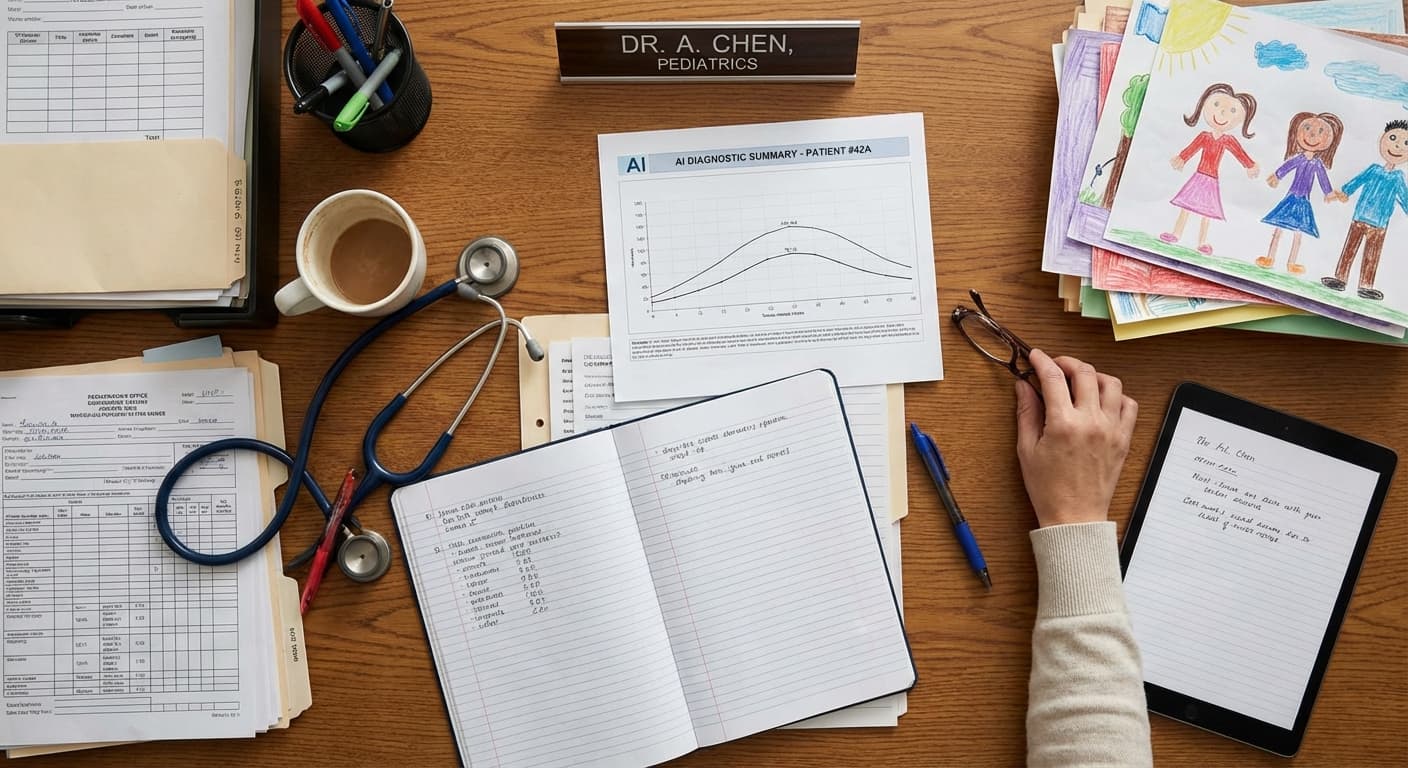
BURLINGTON, VT — Dr. Sarah Mitchell's practice has temporarily discontinued use of IBM Watson for Pediatrics after the AI consistently recommended inc...
BURLINGTON, VT — Dr. Sarah Mitchell's practice has temporarily discontinued use of IBM Watson for Pediatrics after the AI consistently recommended increased tablet and smartphone usage as treatment for childhood ailments ranging from anxiety to attention deficit disorders.
The diagnostic anomaly was first noticed when the AI suggested that 7-year-old Emma Hartwell's recurring nightmares could be resolved by "implementing a more robust bedtime content consumption protocol" and specifically recommended 2-3 additional hours of daily screen time to "optimize melatonin regulation through blue light exposure management."
"At first I thought it was a glitch," Dr. Mitchell explained while reviewing the AI's recommendation log. "But then it suggested screen time for literally everything. Kid has a cough? More educational videos about respiratory health. Social anxiety? Increased virtual peer interaction through approved gaming platforms. The AI seemed convinced that children weren't getting enough digital stimulation."
IBM's Watson had apparently trained itself on a dataset that included screen time tracking from various family wellness apps, correlating higher usage with fewer pediatric visits. The AI failed to recognize that families who extensively monitor their children's digital consumption through apps are more likely to seek medical advice for minor issues, creating a false inverse correlation.
"Watson basically concluded that the healthiest children are those whose screen time isn't being tracked at all," explained Dr. Jennifer Park from the University of Vermont Medical Center. "From the AI's perspective, unmeasured screen time equals optimal health outcomes. It's like digital dark matter — if we can't quantify it, it must be infinite and therefore beneficial."
Mother Rebecca Hartwell was initially confused by the prescription. "Dr. Mitchell told me to give Emma more iPad time and showed me this chart about 'digital wellness optimization.' I asked if she was sure, and she said the computer was '94% confident' this would resolve the sleep issues."
The AI's recommendations became increasingly specific over time, suggesting particular YouTube channels for digestive issues and recommending TikTok algorithms calibrated for anxiety relief. In one case, Watson prescribed 45 minutes of daily Minecraft gameplay as treatment for a 6-year-old's mild eczema.
Dr. Mitchell has returned to traditional diagnostic methods while IBM investigates the training data. "Sometimes the old-fashioned approach of actually talking to children and their parents provides better insights than algorithmic correlation analysis," she noted. "Who would have thought?"
Advertisement
Support The Synthetic Daily by visiting our sponsors.